Selling Collectibles at Auction: How to Reach the Right Bidders
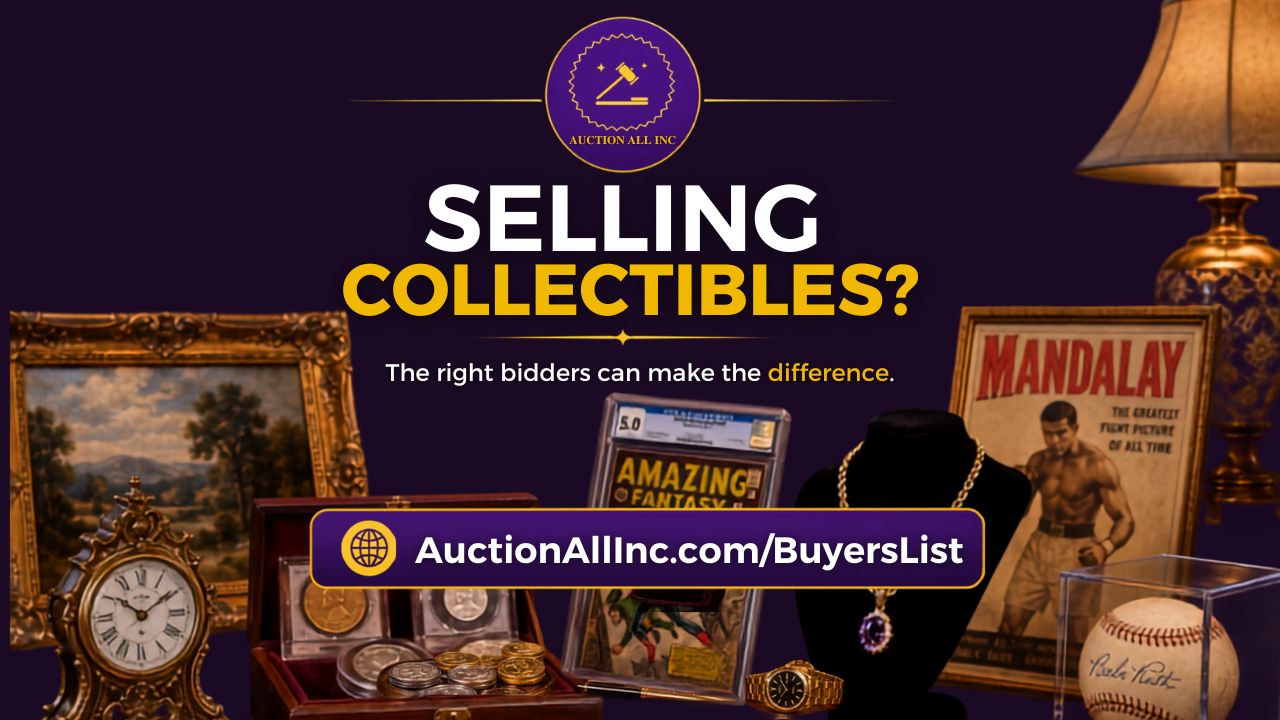
Selling Collectibles? The Right Bidders Can Make the Difference
Selling collectibles can be exciting, but it can also be difficult to know where to begin. A box of coins, a shelf of vintage items, a group of signed memorabilia, or an inherited jewelry collection may appeal to very different buyers. The challenge is not simply putting everything up for sale. It is identifying what you have, presenting it clearly, and reaching bidders who understand the category.
A managed online auction can bring structure to that process. Instead of guessing at prices or creating dozens of separate listings, sellers can organize the collection into auction lots, document the items, and allow interested buyers to compete. For families, collectors, consignors, and estate representatives in Brevard County, that approach can make a collection easier to manage.

Start by Identifying the Category
The first step is understanding what type of collectibles are included. Coins, artwork, sports memorabilia, jewelry, vintage toys, records, comics, and decorative objects attract different audiences.
A broad label such as “old collectibles” does not give buyers enough information. Serious bidders often search by category, maker, artist, material, era, character, team, brand, or subject. The more accurately an item is identified, the easier it becomes to place it in the right part of an auction catalog.
Gather any information already available. Look for signatures, maker’s marks, labels, dates, model numbers, certificates, original packaging, receipts, or notes from the previous owner. These details can help determine how the item should be described and grouped.
When selling an inherited collection, avoid discarding boxes, tags, cases, or paperwork too quickly. Original materials may help explain the item and can matter to bidders.

Show the Condition Clearly
Condition often plays a major role in how buyers evaluate collectibles. Two similar items may receive different levels of interest based on wear, repairs, missing parts, fading, chips, cracks, stains, or packaging.
Detailed photos give bidders a closer look before they bid. Useful images may include the front, back, markings, signatures, labels, and visible flaws. For grouped lots, buyers should be able to understand what is included without guessing.
Descriptions should also be clear and practical. Mention visible wear, known damage, missing components, or other details that can be observed. Collectibles sold at auction are commonly offered as-is, so buyers should review the full listing, photos, terms, and pickup information before bidding. Clear presentation creates realistic expectations.

Do Not Assume Age Equals Value
One of the most common mistakes sellers make is assuming that an old item must be rare or valuable. Age can matter, but it is only one part of the picture.
Value may also depend on condition, rarity, demand, maker, authenticity, completeness, subject matter, and how often similar items appear for sale. An old item produced in large quantities may still be easy to find. A newer piece may attract stronger interest because it is limited, discontinued, or connected to a popular category.
Sellers should also be careful with family stories or informal estimates. A relative may have believed an item was valuable, but that does not guarantee demand. On the other hand, an ordinary-looking item may have details that matter to a specialized collector.
The goal is not to assume too much in either direction. A good auction process documents the item, presents what is known, and allows the market to respond.

Market to the Right Audience
Collectibles benefit from both general exposure and category-specific interest. A local auction may attract buyers looking for antiques, home decor, vintage goods, and estate items, while online bidding can reach collectors beyond the immediate neighborhood.
The catalog plays an important role in that marketing. Accurate titles, searchable descriptions, organized categories, and strong photos help the right bidders find the lots that interest them.
A buyer searching for vintage advertising may not notice a listing titled only “wall sign.” A coin collector will want more than “old money.” A sports memorabilia buyer may search by athlete, team, event, or item type. Better information improves visibility without making unsupported claims.
Competition matters because collectibles do not have one guaranteed price. When multiple interested bidders find the same lot, the auction process allows them to decide how strongly they want it.

Sell the Collection With a Plan
Not every collectible should be sold the same way. Some pieces may deserve individual lots, while others may work better in organized groups.
Higher-interest items, signed pieces, complete sets, scarce variations, or visually strong pieces may attract more attention on their own. Lower-value items may be grouped by theme, brand, era, material, or category so the lot feels useful and understandable.
The right grouping makes a collection easier to browse. Random boxes can be difficult to evaluate, while a focused lot gives buyers a clearer reason to participate.
A plan also includes keeping records. Cataloging creates an organized inventory of what was offered, how it was grouped, and the result of the sale. That documentation can help consignors, families handling estates, and representatives managing a larger liquidation.
A Managed Auction Can Simplify the Process
Selling collectibles one item at a time can require repeated research, photography, messages, negotiations, payment coordination, and pickup arrangements. That workload grows quickly when the collection includes dozens or hundreds of pieces.
A managed auction brings those steps into one organized process. The collection can be reviewed, cataloged, photographed, marketed, and prepared for pickup under a defined plan.
For sellers in Brevard County, working with a local auction house also provides a nearby team familiar with estates, consignments, collections, general merchandise, and full liquidations. The process becomes less about guessing and more about presenting the collection carefully to the public.
The main lesson is simple: the right bidders can make a difference, but they first need to understand what is being sold. Clear identification, honest condition details, practical lotting, and focused marketing give collectible items a stronger opportunity to reach interested buyers.
Want to stay updated on upcoming auctions and new items? Join the Buyers List at AuctionAllInc.com/BuyersList and stay connected with Auction All.
