What Can You Sell at Auction? A Helpful Guide for Brevard County Sellers
What can you sell at auction? More than many people realize.
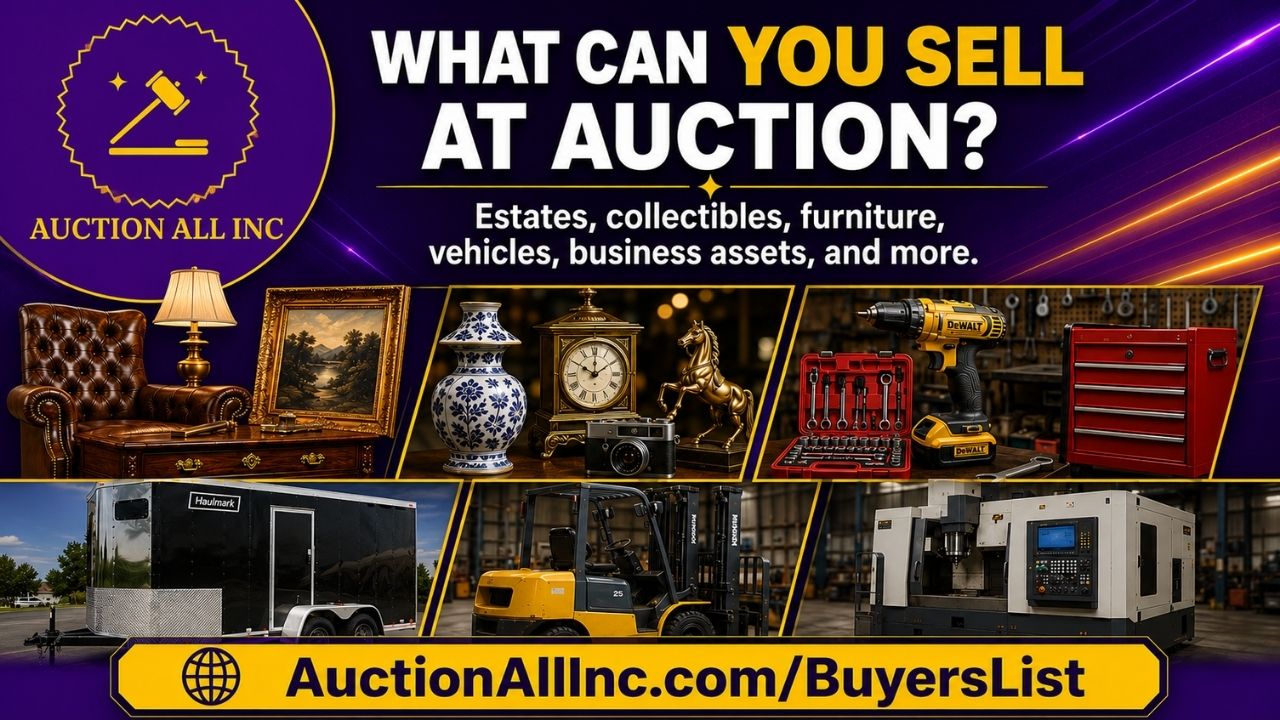
For many sellers, the first thought is furniture, antiques, or old household items. Those can absolutely fit, but auctions can also work for estates, collections, vehicles, boats, tools, business assets, equipment, home decor, and full liquidations. The value of an auction is not just in the item itself. It is in how the items are organized, presented, marketed, and offered to interested buyers.
For families, consignors, collectors, business owners, and anyone with assets to move, a managed auction can create a clear path forward.

Estate and Household Contents
Estate situations often involve more than one or two valuable items. There may be furniture, decor, tools, collectibles, kitchen items, outdoor items, garage contents, and general household goods all in the same property. Trying to sell each piece one at a time can become stressful, especially when there are deadlines, family decisions, or a home that needs to be cleared.
An estate auction can help group those items into one organized event. Instead of handling separate listings, messages, appointments, and negotiations, the auction process helps present the contents in a structured way. Items can be cataloged into lots, photographed, described, and made available to bidders.
This is helpful when the goal is not just to sell a single item, but to create movement across many categories at once. A full household may have a mix of high-interest pieces and everyday useful items. Auctions give buyers a chance to discover both.
Collectibles and Antiques
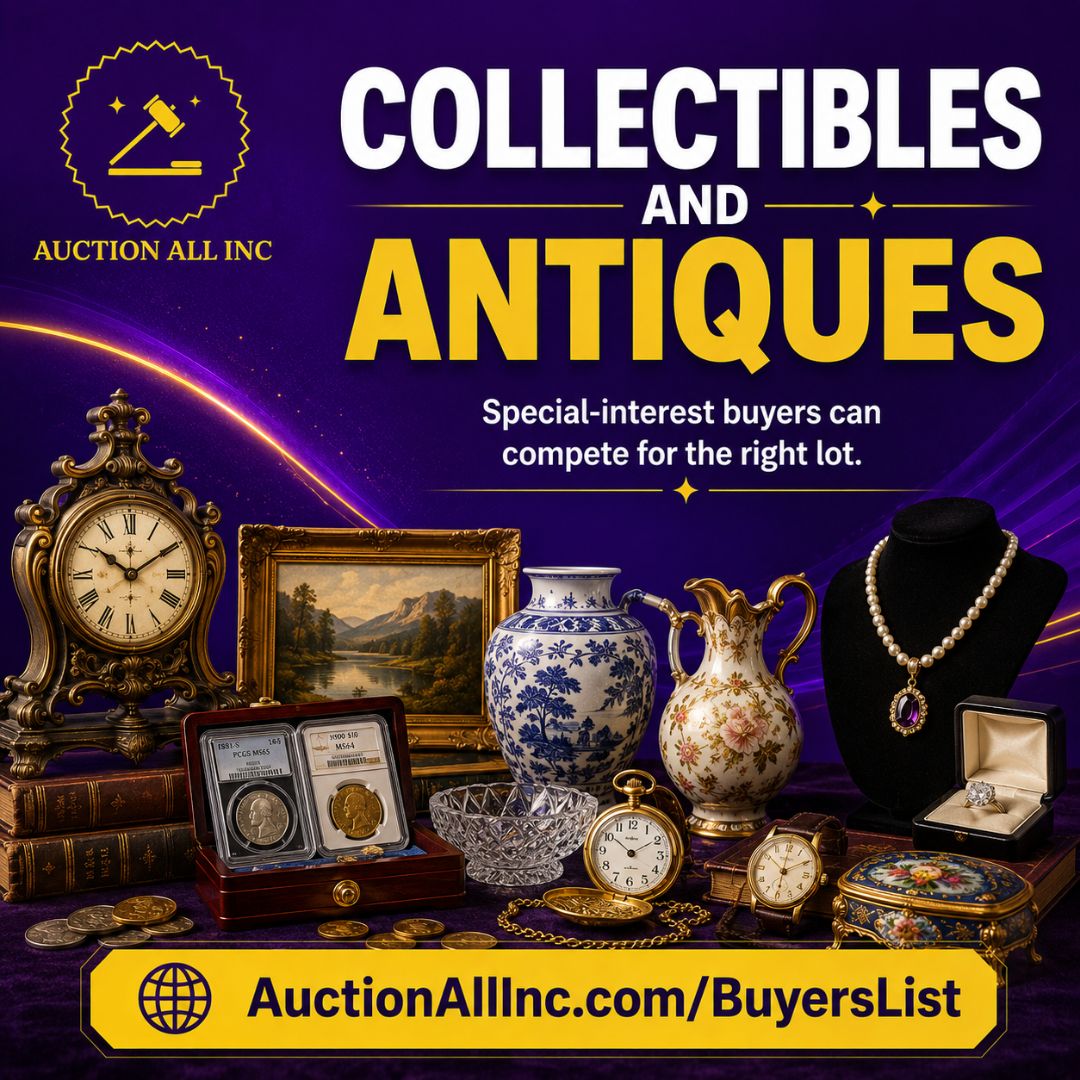
Collectibles and antiques are often a strong fit for auctions because they attract buyers with specific interests. These can include vintage items, advertising pieces, coins, toys, tools, art, glassware, furniture, records, sports memorabilia, military items, and other specialty pieces.
The key is presentation. A collectible buyer wants to see clear photos, condition notes, markings, brand names, measurements, and any details that help them understand the lot. Even small details can matter when someone is comparing one item to another.
Auctions also help because specialty buyers may compete for the right piece. A seller may not know every collector who would be interested in an item, but an auction can place that item in front of people who actively watch for new lots. That competitive setting is one reason many collectibles, antiques, and unique finds are better suited for auction than a casual one-on-one sale.
Furniture, Home Decor, and General Merchandise
Furniture and home decor are common auction categories because buyers often look for usable pieces at practical prices. Dressers, tables, chairs, cabinets, patio furniture, lamps, framed art, rugs, mirrors, shelving, and accent pieces can all fit into an auction when they are presented clearly.
Condition matters. Buyers want to know about wear, size, material, damage, missing parts, or anything that affects pickup and use. For larger pieces, measurements are especially important. A beautiful cabinet is only a good buy if the buyer knows it will fit in their space and can plan for pickup.
General merchandise can also perform well when grouped properly. Tools, small appliances, household supplies, outdoor items, electronics, and garage contents may not all appeal to the same buyer, but they can each attract attention when listed in the right way.

Vehicles and Boats
Vehicles and boats can also be sold through auction, but they need careful presentation. These are specialty assets, so buyers usually want clear details before bidding. Photos, descriptions, visible condition, known issues, included paperwork, make, model, year, mileage or hours when applicable, and other available details can all help bidders make informed decisions.
The goal is to reduce confusion. A vehicle auction or boat auction should help buyers understand what they are considering before they place a bid. Strong photos from multiple angles, interior shots, engine area photos, and honest condition notes can make the listing more useful.
Specialty assets often bring in a different type of buyer than household goods. Some buyers are looking for a project. Others are looking for parts, resale, restoration, or personal use. A clear auction listing helps the right buyer decide whether the asset fits their goal.
Business Assets and Equipment
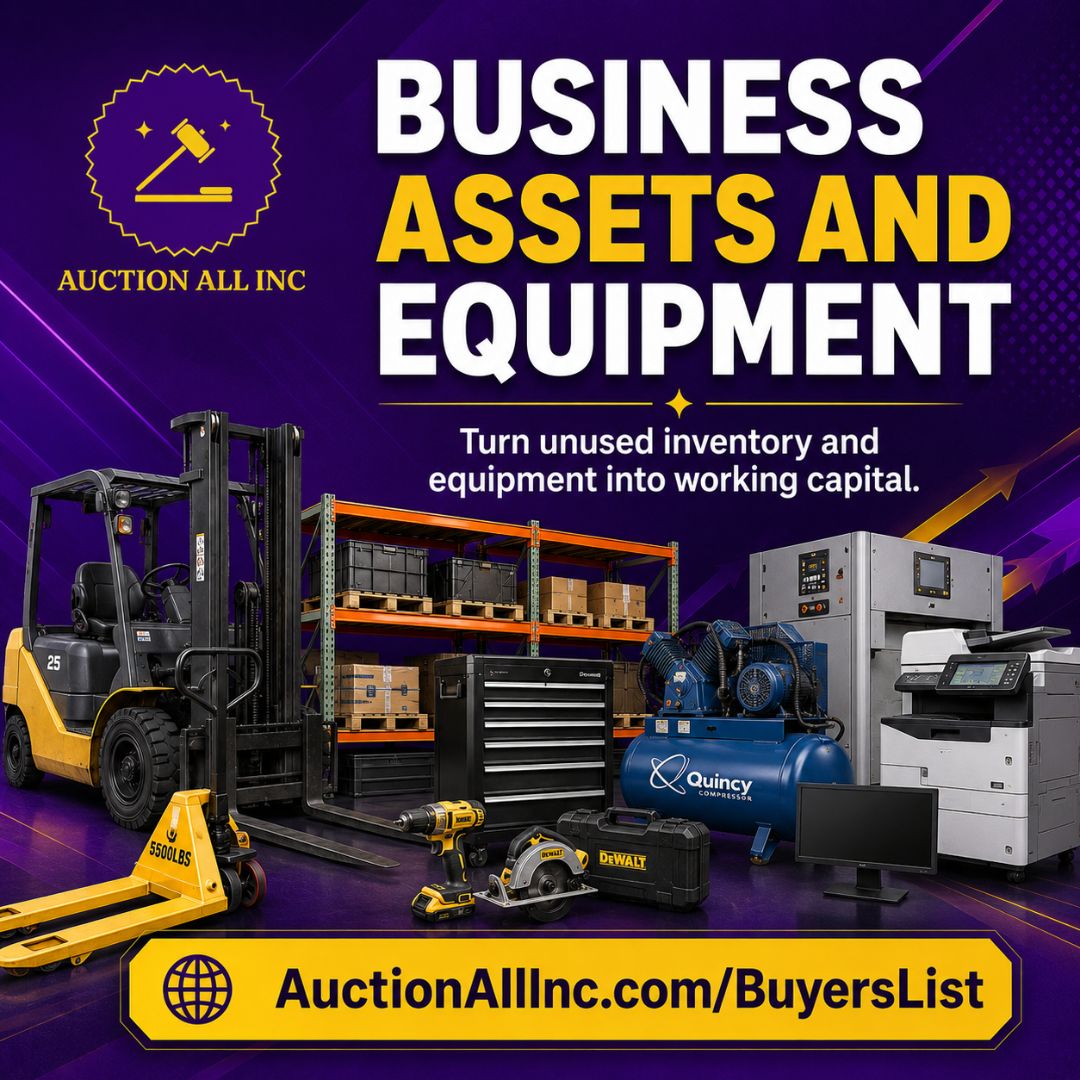
Businesses can also use auctions to move unused, excess, or outdated assets. This may include tools, shelving, fixtures, office furniture, warehouse items, machinery, restaurant equipment, inventory, electronics, supplies, trailers, or other commercial assets.
For a business owner, unused items can take up space and tie up money. A liquidation auction can help turn those assets into working capital instead of letting them sit in storage, a back room, or a warehouse. This can be useful during downsizing, relocation, remodeling, closing, or simply clearing out items that are no longer needed.
Business assets should be organized in a way that makes sense to buyers. Equipment should be described clearly. Inventory should be grouped logically. Large items should include pickup considerations when available. The more organized the catalog, the easier it is for bidders to understand the opportunity.
Full Liquidations and Mixed Asset Groups
Not every auction fits one neat category. Some sellers have a mix of estate contents, tools, vehicles, business equipment, collectibles, and general merchandise. That does not automatically make the project too complicated for auction.
In many cases, mixed asset groups are exactly where an auction house can help. The process brings order to a wide range of items. Each lot can be reviewed, grouped, photographed, and positioned for the right type of buyer. This can make the process feel less overwhelming for sellers who are not sure where to begin.
A managed auction is especially useful when there are many items, limited time, or a need for a clean process from start to finish.

Not Sure If It Fits?
Many sellers wait too long because they are not sure whether their items are “auction-worthy.” The truth is, the best first step is often an evaluation. An auction team can help look at the type of items, the volume, the condition, the timing, and the seller’s goals.
Not every item belongs in every auction, but many items have a place when they are grouped and presented correctly. The right evaluation can clarify whether an estate auction, consignment auction, liquidation auction, vehicle auction, boat auction, or mixed auction makes sense.
For sellers in Titusville, Brevard County, and surrounding Florida communities, working with a local auction house can make the process easier to understand. Auction All helps buyers find new opportunities and helps sellers move assets through a clean, managed auction process.
The main lesson is simple: auctions are not limited to antiques or rare items. They can be a practical option for estates, household contents, collectibles, furniture, vehicles, boats, business assets, equipment, and more.
Want to stay updated on upcoming auctions and new items? Join the Buyers List at AuctionAllInc.com/BuyersList and stay connected with Auction All.
